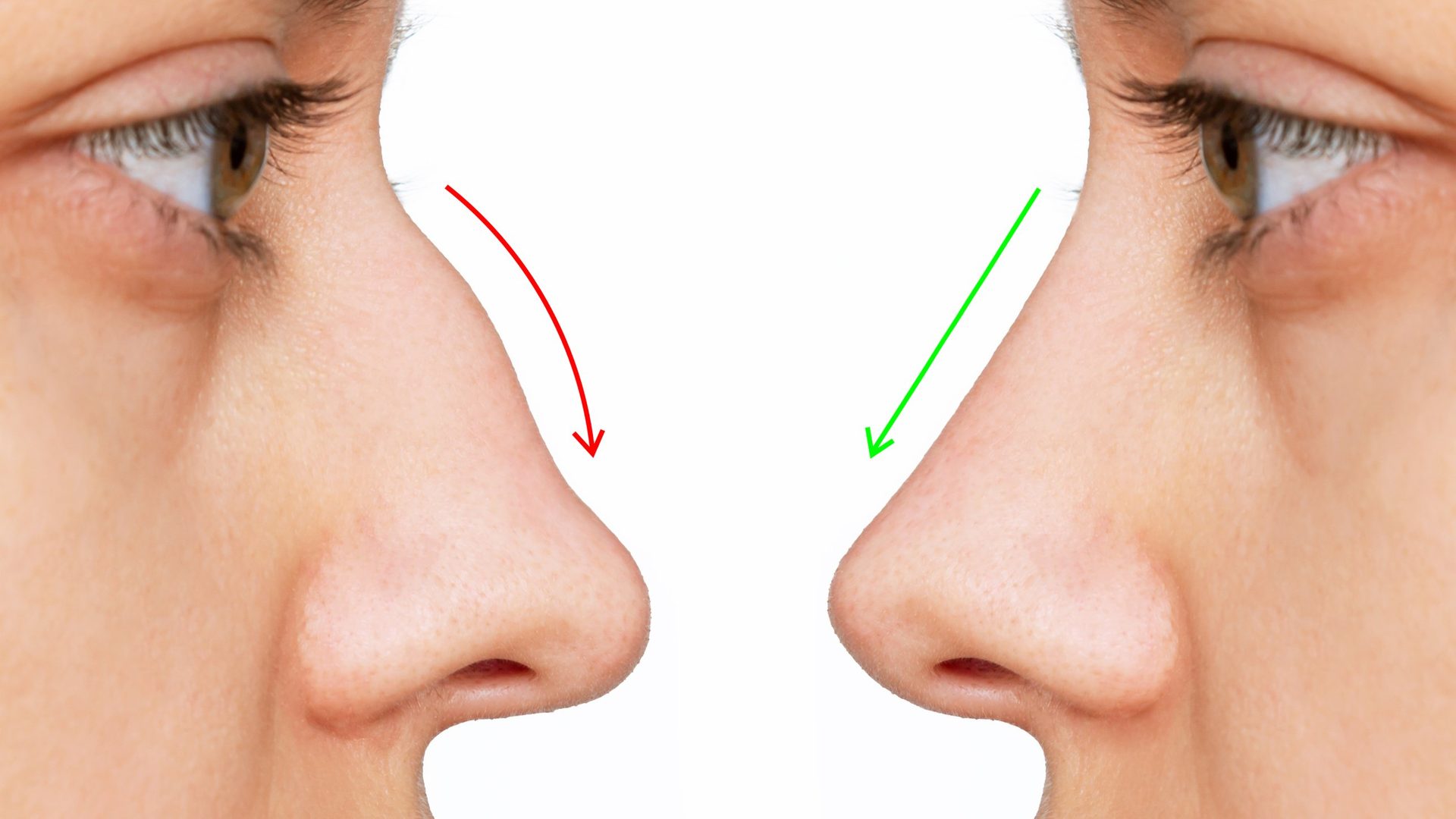
What are the common misconceptions about rhinoplasty?
Rhinoplasty (nose aesthetic surgery) is not performed at every age, the result can look natural, the entire recovery process is not painful, and breathing problems can be corrected in the same operation. Surgery is possible in the summer months; packing is also no longer mandatory. Proper planning, realistic expectations, and an experienced team are the most important factors that determine the result.
Rhinoplasty is an operation on the center of the face that affects both appearance and breathing. For this reason, it is one of the procedures about which the most questions are asked and the most misconceptions exist. Below, we summarize the eight misconceptions we hear most often from patients in our ear, nose, and throat and head and neck surgery practice, and what the reality is. Our aim is to help you make your rhinoplasty decision with accurate information and realistic expectations.
Can rhinoplasty be performed at any age?
Rhinoplasty is not performed before the development of the facial skeleton and nasal cartilages is complete. An intervention performed while growth is continuing can change the shape of the nose in unexpected ways in later years. It is generally planned after age 16 for girls and 17–18 for boys; however, what matters is not chronological age but the developmental status assessed at examination. There is no upper age limit; at older ages, skin thickness and tissue elasticity are taken into account in planning.
Does the nose look artificial after surgery?
Naturalness depends on the surgical technique as well as the patient’s expectations and the physician’s aesthetic sense. The ideal nose is one that is in harmony with the forehead, lips, and chin, looks like it “belongs” to the rest of the face rather than looking “operated on,” and also supports breathing. In the consultation before surgery, facial proportions are assessed together; goals that do not suit the face, such as an overly reduced or upturned nose, are discussed and clarified.
Is the surgery very painful?
In the first one or two days there may be mild to moderate pain and a sensation of pressure; this period is controlled with simple painkillers. Most patients do not need painkillers after the second day. During recovery, swelling, bruising, and a feeling of fullness in the nose are more prominent.
Does rhinoplasty also solve breathing problems?
Causes that make breathing difficult, such as a deviated nasal septum, enlarged turbinates (conchae), or narrowing of the nostril wing, can be corrected in the same session as the aesthetic surgery. In fact, for the externally visible deviation to be corrected permanently, the internal deviation must also be corrected. For this reason, the assessment must always include an examination of the airways.
Does the nasal tip droop over time?
In a rhinoplasty that is properly planned and performed while preserving the nose’s supporting structures, drooping or collapse of the nasal tip is not expected. Where necessary, support is provided with the patient’s own cartilage. What determines the long-term result is that the surgery is performed by an experienced team in line with these structural principles.
Can surgery be done in summer?
Surgery can be performed in any season. What needs attention in the summer months is protection from the sun for about 1–1.5 months during recovery: high-SPF sunscreen, a wide-brimmed hat, and avoiding prolonged direct sun are enough. Waiting a few weeks is also recommended before swimming in the sea or pool.
Does the surgery leave a noticeable scar?
In the closed technique, all incisions are inside the nose. In the open technique, an incision a few millimeters long is made in the area between the nostrils (columella); closed with fine suturing techniques, this incision becomes less noticeable over time and in most people is hard to notice even on close inspection.
Is removing the packing painful?
Classic packing is no longer mandatory after surgery. In our clinic, in most patients thin silicone splints that allow airflow are preferred; these are removed after a few days quickly and without causing major discomfort.
What should you discuss before rhinoplasty?
- Whether you have breathing problems and any past nasal trauma
- The medications, supplements you use, and smoking
- Your expectations: which feature you want changed and which you want preserved
- Your work, travel, and sports plans for the recovery period
Rhinoplasty gives the most natural result when it is planned together with the face as a whole. When facial proportions, skin quality, and the aging process are evaluated together, surgical and non-surgical procedures can be combined in a personalized plan. We have described this approach in our Aesthetic Longevity article and on our Surgical Aesthetics page.
Frequently Asked Questions
At what age can rhinoplasty be performed?
This surgery is planned once bone and cartilage development is complete. This is generally around age 16 for girls and 17–18 for boys; the final decision is made at examination.
When can I return to work after rhinoplasty?
Most people return to desk jobs within 7–10 days. Waiting a few weeks is recommended for heavy physical activity and sports.
When is the final result of rhinoplasty seen?
Most of the swelling subsides in the first weeks; complete resolution of the fine swelling at the nasal tip and settling of the final appearance can take 6–12 months.
How is the assessment for rhinoplasty done?
The assessment begins with an analysis of facial proportions, an examination of the inside of the nose and the airways, and a discussion of your expectations. The surgical plan is created personally in light of this information. To book an appointment, you can reach us through our Contact page.